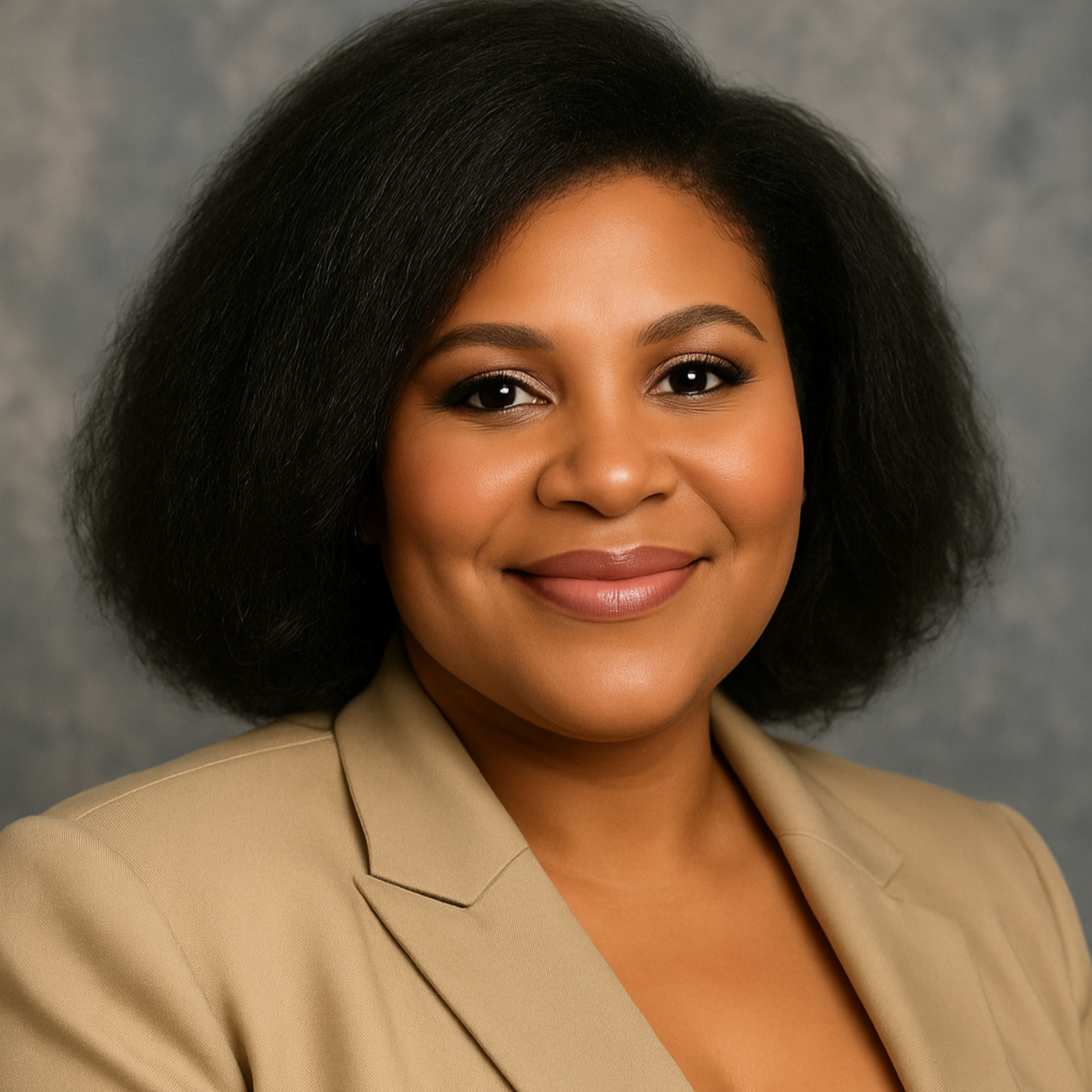
Anxiety Doesn't Stand a Chance Against This Daily Prayer
Tonight's Episode
What if the reason prayer doesn't work during a panic attack isn't a faith problem — it's a physiology problem? In this episode, Elisha — counselor, author, and host of Elisha's Space — breaks down the neuroscience of panic, names the danger of spiritual bypassing, and gives you a clinical and scriptural framework for praying with your nervous system, not against it. Using the R.E.S.T. Framework (Regulate, Experience, Surrender, Trust), Elisha walks you through a guided prayer practice you can use tonight. This is where faith and anxiety finally meet — not to dismiss the body, but to bring it whole to God.
📖 Philippians 4:6-7 // Isaiah 26:3 // Psalm 55:4
🌿 Resources: ElishasSpace.com
📬 Connect with Elisha: Instagram
If this episode helped you, share it with one person you know is struggling. Your recommendation is how this ministry grows.
Elisha's Space: It's somewhere in the middle of the night. Your chest is tight. Your hands are cold. You've already prayed and you said the words, you quoted the verse. Maybe you even said it out loud. Do not be anxious about anything. And then you stopped and waited and the panic was still there. And the enemy's voice came right behind it. Why isn't your prayer working? Maybe you just don't have enough faith. If that has ever been you, this episode is for you. Welcome to Elisha Space, a sanctuary for healing growth and for the kind of honest conversations that actually change things. I'm Elisha, your host, a counselor, an author, and someone who sat in the same stuff places you have. If you've been listening for a while, I see you and I'm glad you're back. And if you're brand new, welcome home. Today's episode is practical, clinical, but pastoral. We're going to talk about how to pray when you're panicking. Not pray more or trust harder, but a specific, somatic, and deeply scriptural way, ⁓ to pray works ⁓ with your not against it. ⁓ I want warn you. We're going to sit in some uncomfortable neuroscience before we get to the freedom. So stay with me. Before we go anywhere today, I want us to arrive together. Take a deep breath with me. In through your nose, two, three, four. Hold, two, and out through your mouth, two, three, four, five, six. One more time. In, two, three, four. Hold, two, out, two, three, four, five, six. Your nervous system just heard that. We'll come back to why that matters in a moment. Here is what happens to most of us when panic hits and we try to pray. We're trained to go directly to language, to scripture, to petition, and those are holy things. But there's a physiological reason why, in the peak of a panic attack, you cannot access them. And I need to name it because knowledge isn't just power for trauma survivors. Knowledge is safety. When your body perceives threat, real or imagined, your amygdala fires. That's your brain's threat detection center. It activates the sympathetic nervous system. Cortisol and adrenaline flood your bloodstream. Your heart rate increases. Your breathing becomes shallow. Your muscles brace. And here is the critical piece. Blood flow moves away from your prefrontal cortex, the part of your brain responsible for language, rational thought, and accessing memory, and flutters limbs, preparing you to run or fight. So in the middle of a panic attack, when you are trying to recall scripture, formulate a coherent prayer, and apply theological truth to racing thoughts, you are attempting to use a system your body has temporarily Shut down. This is not faith failure. This is neuroscience. Nothing is wrong with you. Your body is doing exactly what it is designed to do. It is just stuck. Now I need to say something and I want you to hear it gently because it comes from love and from clinical observation. There is something operating in much of Christian culture around anxiety called spiritual bypassing and it sounds like this. Just pray more, claim your peace. If you had enough faith, you wouldn't feel this way. Spiritual bypassing is the use of spiritual language and spiritual practice to skip over the very real, very physical experience happening in the body. It means we try to pray our way out of a physiological reality instead of letting prayer meet us in it and the tragedy. We use Philippians chapter four, verses six and seven as a command and miss it as a process. Paul doesn't say, stop being anxious, then pray. He says, bring your anxiety with you in it through prayer to God. And then after the presenting, after the laying down, after the surrender, the peace of God, which transcends all understanding will guard your heart and your mind. The peace comes after the presenting, not instead of it. His peace is not dependent on your circumstances being resolved. It is a regulated nervous system in the presence of a safe God. So today, I want to give you what I call a prayer protocol rooted in our REST framework that closes the gap between your panic and your prayer, that teaches your body to become receivable before you speak a word so that when you pray, you are praying from your whole self, not just the part of you that is still functioning. Stay with me. I know this is getting clinical, but I promise you by the time we're done today, you're going to have something you can use tonight. Something practical, something grounded in scripture and something. your nervous system will thank you for. I want to walk you through REST, our four step framework, applying specifically to prayer during high anxiety moments. If you haven't heard of it before, welcome. If you've been with us for a while, you know this is our clinical and spiritual home base, our regulate, before you try to pray. You must first signal to your nervous system that you are safe. Your body will not receive spiritual truth while it believes it is in danger. This is where the vagus nerve comes in. The vagus nerve. Vagus literally means wandering in Latin. runs from your brain stream all the way to your gut. It is the primary highway of your parasympathetic nervous system, your rest and digest pathway. When you take slow, extended exhales, breathing out longer than you breathe in, ⁓ You are activating the vagal break. are pressing the physiological pause button on the panic response. ⁓ The ratio is simple. Inhale for four counts, hold for two, exhale for six, three rounds before a single word of prayer. This isn't stalling. This isn't avoiding God. This is preparing the soil so the seed of prayer has somewhere to land. E, experience. This is where most of us skip. We want to jump straight to, Lord, take this. And I understand why. The pain is real and we want it gone. But the practice of somatic honesty. Naming what you feel in the body is deeply, deeply scriptural. The psalmist didn't edit himself before God. He didn't clean up his prayer before he showed up. He wrote, my heart is in anguish within me. The terrors of death have fallen on me. Fear and trembling have beset me. That is semantic language. That is body language. That is a mantling God. This is what it feels like in here. After you regulate, experience, place one hand on your chest, scan your body, and name what's there. My chest is tight. My jaw is clenched. There is fear here. There is shame here. No judgment, no rushing. You are being honest before God, before you ask for anything. This is what the Psalms model for us. Lament before petition, presence before requests. S surrender. This is the prayer itself and now because you've regulated your nervous system, because you've named your experience honestly, your prefrontal cortex is beginning to come back online. You can access language, you can engage with truth, and now you can pray. Not a long elegant polished prayer, a surrendered one. Something this simple. Father, I feel this. I name it before you. I cannot carry it. I release it to you in this body, in this moment. That phrase, in this body, in this moment, is doing something neurologically that I want you to understand. Anxiety lives in the future. The body only exists in the present. When we anchor our prayer to the body and to the present tense, we are doing nervous system regulation and spiritual surrender simultaneously. We are not escaping the body to reach God. We are bringing the body to God. This isn't visualization. This is physiology. T for trust. This is the anchoring phrase. After surrender, your body needs a signal that it's safe to stay, to remain in the regulated open state rather than bracing for the next wave. This is where scripture becomes a somatic anchor. Not a list, not a chapter, one verse said slowly, said out loud. Sound and vibration activate the vagus nerve directly. When you speak scripture slowly with intention, your body hears it not just as information, but as safety. You will keep in perfect peace those whose minds are steadfast because they trust in you. Isaiah 26 verse 3. Let your nervous system hear that you are not running from it. Let your nervous system hear that you are held. I want to walk you through our EST right now, a three minute version. If you're driving, save this for later. Be safe. If you can close your eyes, I invite you to. for regulate. Place one hand on your chest and one on your belly. Feel your own heartbeat if you can and breathe with me. In through your nose, two, three, four, hold two. Out through your mouth, two, three, four, five, six. Again, in, two, three, four, hold two. Out, two, three, four. five, six. One more time, in, hold, and out. E for experience. Without judgment, scan your body right now. Is there tightness in your chest, your shoulders, your jaw? Simply name what's there and your own mind say it. I feel this. This is here and God sees it. S for surrender. In your own words or repeat after me out loud if you can. Father, I feel this in my body. I don't understand all of it. I bring it to you in this body, in this moment. I release what I cannot control. Take it from me. ⁓ receive this slowly. And the peace of God, which transcends all understanding, will guard your heart and your mind in Christ Jesus. Feel that word, guard, not fix, not explain, guard. Your nervous system is guarded. You are held. Open your eyes when you're ready. That is how you pray through a panic attack. Let me pray over you before we close. Father, I am grateful that you made these bodies, that you knit together the very nervous systems that we are learning to regulate. I thank you that you did not design us to float above our pain or perform our way through it. You designed us to bring it, all of it. the shaking hands, the tight chest, the racing thoughts that won't slow down. None of it is outside your reach. I pray for the person listening to this right now, in their car, in their kitchen, in a bathroom with the door locked because they needed a moment to breathe. The one who has tried to pray and felt like their words weren't reaching you. Let them know today, you heard every single one. You were already meeting them in their body before they found the words. I pray for the one who was told that anxiety meant weak faith, whose church never got them permission to feel what their body was already feeling. Give them language, give them permission, and give them the experience in their own nervous system of what it feels like to bring all of themselves to a God who is not afraid of any of it. Teach us to pray with our bodies, not past them. To surrender in the present tense and in this surrender. Give us what only you can give. The peace that makes no earthly sense. That feels exactly like home. In Jesus' name, Amen. Here is your challenge, seven days simple. The next time anxiety rises before you speak a single word of prayer, take three extended exhale breaths, just three. End for four, hold for two, out for six. That's your only requirement for days one through three. Get familiar with what it feels like to regulate before you pray. Days four through seven. Add one sentence of surrender, Father, I bring this body in this moment to you. That's it. No performance, no perfect theology, just an honest body and a present God. And if you want to go deeper with the rest REST framework, we have resources waiting for you. Come visit us at ElishaSpace.com. If this episode helped you, share it, text it to one person you know is struggling right now, not to send them a lecture, just to say, someone sees what you are going through. That text could change everything for them. Leave a review if this podcast has been part of your healing journey. It generally helps us reach the people who need it most. And if you're new here, go back. and find our episode on nervous system regulation and somatic prayer. That episode is a good companion to everything we talk about today. Until next time, you are not too much and you are not too far and you are not Omo.
 Apple Podcasts
 Castbox
 Castro
 Goodpods
 Moon FM
 Overcast
 Pocket Casts
 Podbean
 Podcast Addict
 Podcast Republic
 Spotify