Is It Religious Trauma? A Counselor's Guide to Spiritual Wounds (And How to Heal)
Tonight's Episode
Your body has been telling you something for a while — maybe it's the way your chest tightens walking into a church building, or the shame that surfaces every time you question something you were taught. If you've been asking "is this religious trauma or is something wrong with me?" — this episode is for you.
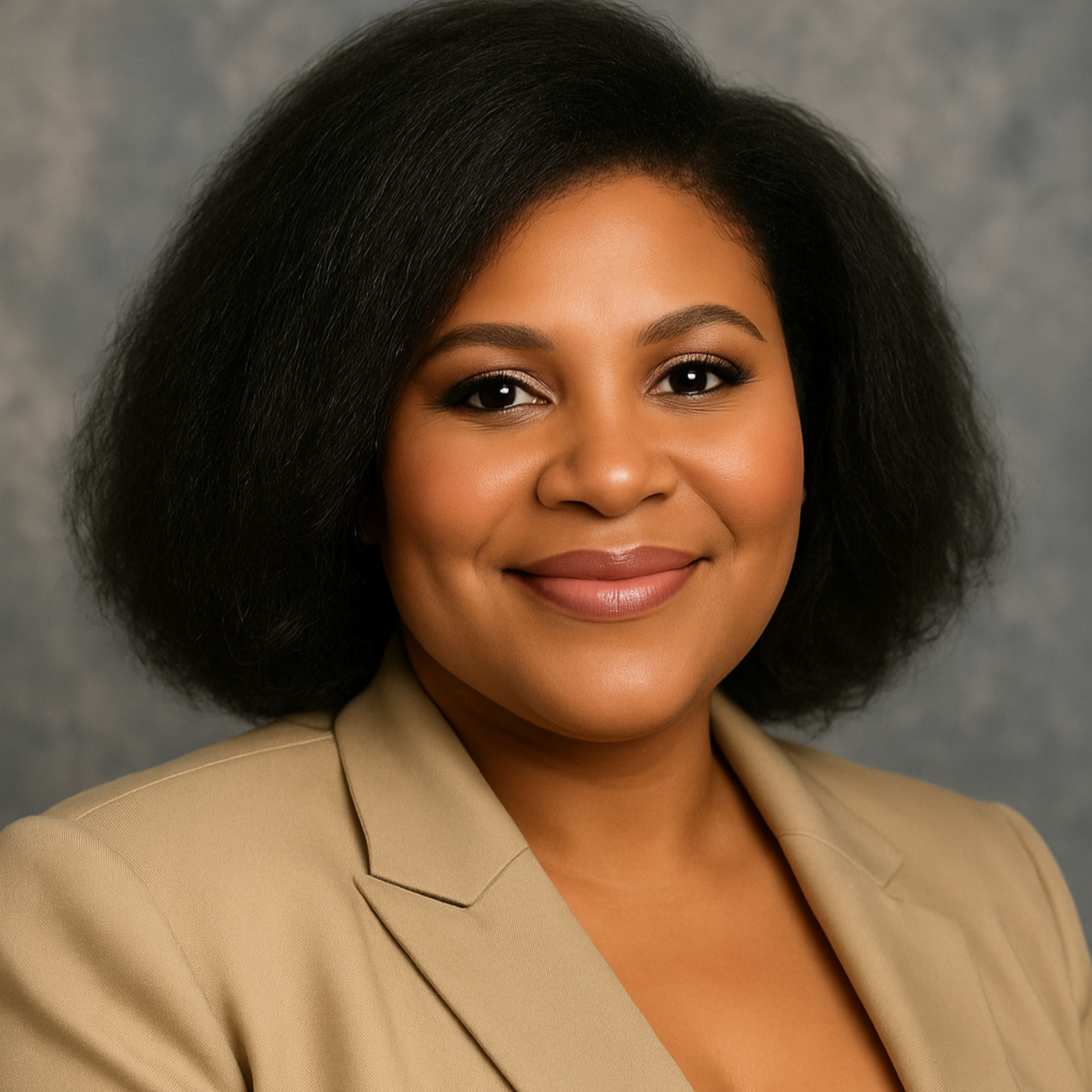
I'm Elisha, a licensed counselor, author, and the founder of Restoring You Christian Counseling. In today's episode, I'm walking you through what religious trauma actually is — clinically and spiritually — how to recognize it in your body and your relationships, and the faith-based path back to a nervous system (and a faith) that feels safe again.
We'll cover:
✔️ The difference between conviction and shame-based control
✔️ Why religious trauma lives in your body, not just your theology
✔️ The R.E.S.T. framework for regulating your nervous system in triggering religious environments
✔️ A guided somatic practice you can use today
✔️ A breath prayer to bring your body and your faith back into agreement
This isn't "just pray more." This is physiology, and it's also sacred ground. You are not too much, and you are not too far, and you are not alone.
📖 Free resource: Grab the S.T.A.R.T. Guide for nervous system regulation at https://elishas-space.onpodium.com
💬 If this episode helped you, share it — text it to one person you know is struggling.
#ReligiousTrauma #SpiritualAbuse #ChristianCounseling #FaithBasedHealing #NervousSystemRegulation
Elisha's Space: Maybe you walked into a building, any building that reminds you of church, and your chest gets tight before you sit down. Maybe you asked one honest question growing up, and the room went cold. And you've spent years since wondering what is wrong with me? Nothing's wrong with you. Your body is doing exactly what it was designed to do, it's just stuck. If you've ever wondered whether what happened to you was religious trauma, or whether you're just too sensitive, too rebellious, not faithful enough, today I'm going to help you name it. And more than that, I'm going to give you a path back to a body and a faith that actually feels safe. Welcome to Elisha Space, a sanctuary for healing growth and for the kind of honest conversations that actually change things. I'm Elisha, your host, a counselor, an author, and someone who has sat in the same stuff place as you have. If you've been listening for a while, I see you and I'm glad you're back. And if you're new here, welcome home. Today's episode is practical, clinical but pastoral, so stay with me. Religious trauma isn't a diagnosis you'll find neatly in the DSM. But the nervous system doesn't need a diagnostic code to know when it's been unsafe. Religious trauma happens when a spiritual environment, a church, a family system, a leader. Uses fear, shame, or control in the name of God to keep you compliant. Here's the clinical spiritual bridge. Your amygdala doesn't know the difference between a genuine threat and a sermon that taught you God is watching to catch you failing. Both fire the same threat response. Chronic activation like that becomes dysregulation. And dysregulation doesn't stay in your theology. It shows up in your marriage, your parenting, your ability to trust anyone in authority again. Knowledge isn't just power for trauma survivors. Knowledge is safety. So let's name some of what this can look like. Spiritual gaslighting. Being told your discernment isn't trustworthy. Purity culture shame carried into adult intimacy. Fear-based obedience mistaken for faith. A nervous system that associates worship with vigilance instead of rest. This is where we move from naming the wound to actually working with it. I call it the rest framework. R, recognize the pattern without shame. Awareness isn't betrayal of your faith, it's the beginning of discernment. E. Establish what safety actually feels like in your body right now. In this moment, separate from any building or leader. S. Soothe the nervous system directly. This is physiology, not willpower. T. Tether back to God who is not the source of the fear you were taught. His peace is not dependent on your circumstances being resolved. It is a regulated nervous system in the presence of a safe God. Let's do this together right now. Wherever you are, if it's safe to do so, let your shoulders drop. Breathe in for four counts. Hold for four. And out for six. Let your nervous system hear that you are not running from it. One more time in. Hold. And release. This isn't visualization. This is physiology. You just told your vagus nerve, literally wandering in Latin, that it's safe to come home to rest or Let's bring this into prayer. Father, I am grateful that you made these bodies, that you knit together these very nervous systems that we are learning to regulate. For everyone listening who was taught that their body's alarm system was rebellion instead of wisdom, restore their trust in what you built into them. Let them exhale, Lord, let them exhale. Amen. For the next seven days, I want you to try one thing. Every time you feel that familiar tightness in church, in a conversation about faith, anywhere, pause and ask your body: Am I unsafe right now? Or am I remembering? Just naming the difference is the beginning of healing. If this episode helped you, share it. Text it to one person you know is struggling. Grab the start guide at the link below and come find community with us. ⁓ next time, you are not too much, ⁓ you are not too far. And you are not ⁓
 Apple Podcasts
 Castbox
 Castro
 Goodpods
 Moon FM
 Overcast
 Pocket Casts
 Podbean
 Podcast Addict
 Podcast Republic
 Spotify